
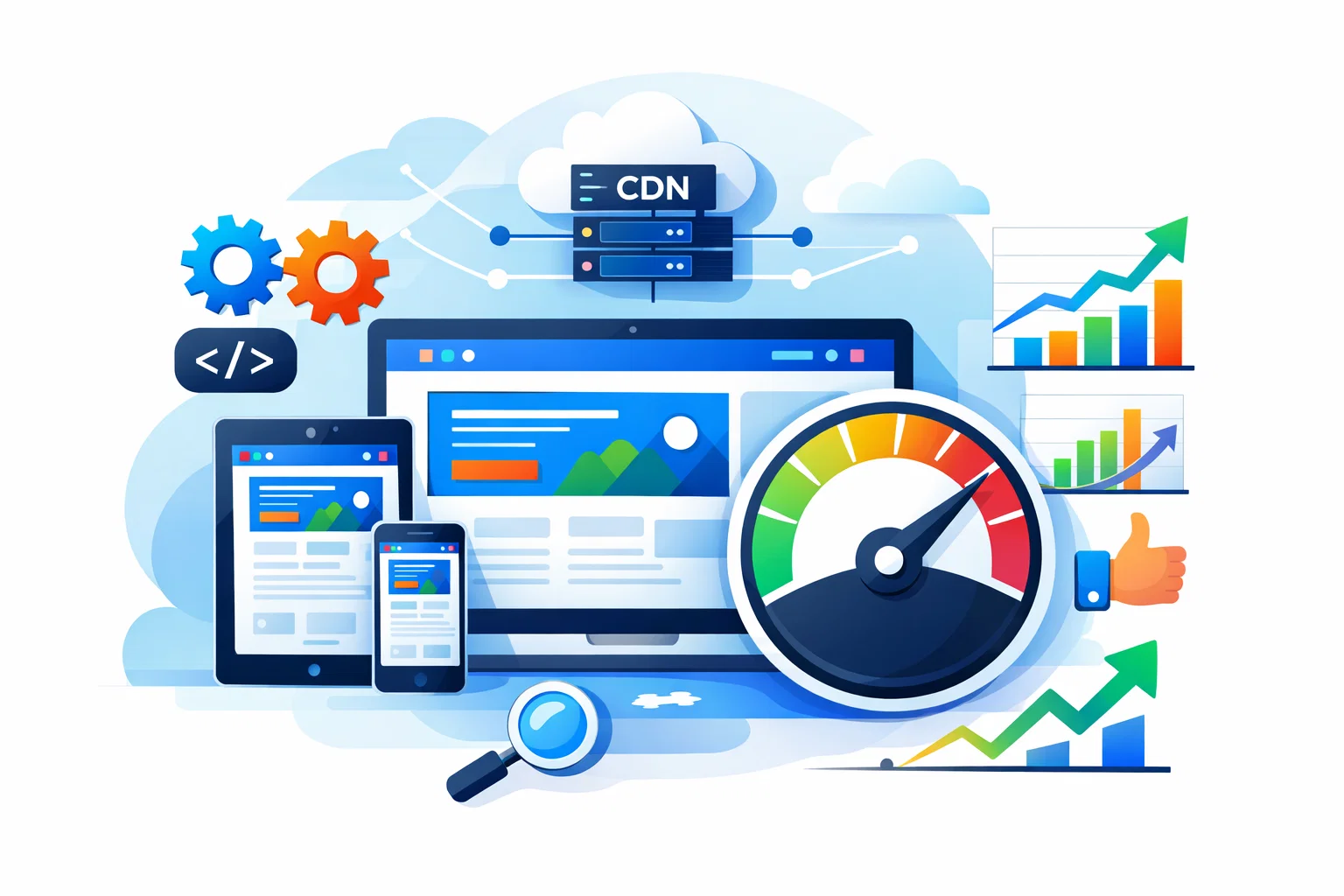
Performance tuning plays a vital role in modern SEO. Search engines now prioritize fast, efficient, and user-friendly websites. If your site loads slowly, users leave. When users leave, rankings drop. Performance tuning helps fix this problem by improving speed, stability, and efficiency. This article explains how performance tuning boosts SEO and how you can apply it correctly.
What Is Performance Tuning in SEO?
Performance tuning in SEO means optimizing your website so it loads faster and works smoothly. It focuses on reducing load time, improving system efficiency, and enhancing user experience. Google uses performance signals to decide rankings. A well-tuned website is easier to crawl, faster to load, and more reliable for users.
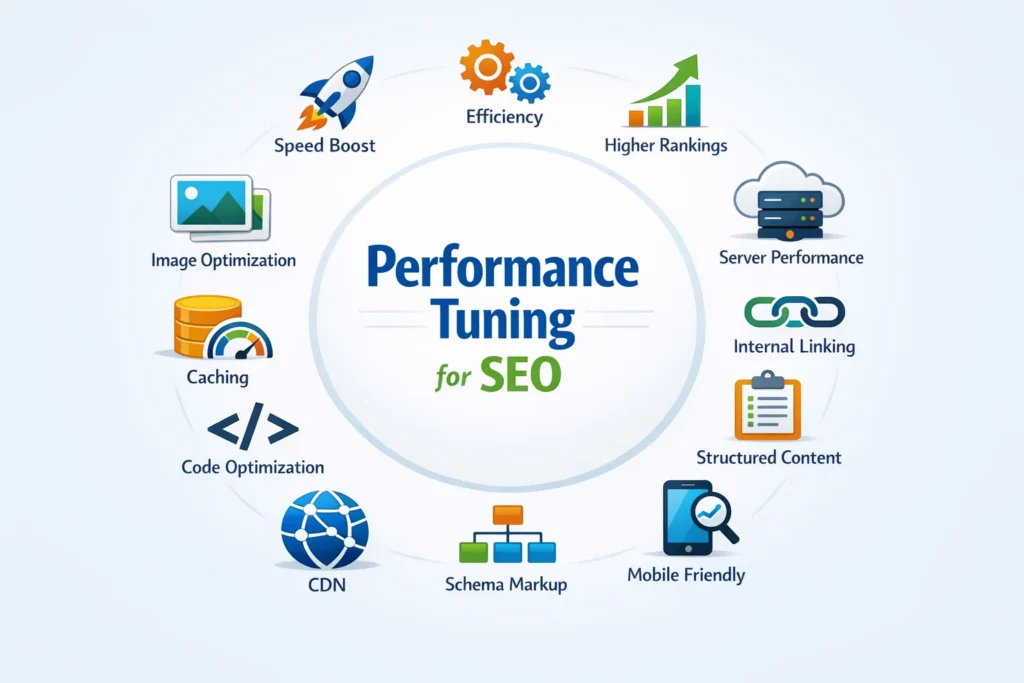
Why Performance Matters for Search Rankings
Search engines aim to give users the best experience. Slow websites frustrate users and increase bounce rates. Google measures performance using Core Web Vitals. Sites that meet these standards often rank higher and retain visitors longer.
How Performance Tuning Boosts Website Speed
Speed is one of the strongest SEO performance signals. Even a one-second delay can reduce conversions and engagement.
Image Optimization for Faster Loading
Large images slow down pages. Compress images without losing quality. Use modern formats like WebP or AVIF. Always define image dimensions to avoid layout shifts.
Caching to Reduce Load Time
Caching stores static files in the browser or server. This reduces repeated requests and speeds up page delivery. Browser caching and server-side caching both improve performance.
Code Optimization and File Reduction
Minifying CSS, JavaScript, and HTML removes unnecessary characters. Smaller files load faster. Combine files when possible to reduce server requests.
Server Response Time Improvement
Choose reliable hosting with fast servers. Reduce unnecessary plugins and scripts. A fast server ensures quick responses to user requests.
Maximizing SEO Efficiency Through Performance Tuning
Efficiency means using resources wisely while delivering value. A fast site alone is not enough. SEO efficiency ensures every page supports rankings.
Internal Linking for Better Crawl Efficiency
Internal links guide search engines through your site. They distribute authority and help important pages rank. Use clear anchor text and logical linking paths.
Content Structure and Readability
Well-structured content improves user experience. Use proper headings, short paragraphs, and clear language. Search engines understand structured content better.
Eliminating Duplicate and Thin Content
Duplicate content confuses search engines. Thin content provides little value. Remove or merge weak pages to strengthen overall site authority.
Schema Markup for Faster Understanding
Schema markup helps search engines understand content context. It improves visibility in rich results and enhances indexing efficiency.
Technical Performance Tuning Best Practices
Technical SEO supports long-term performance and trust.
Choosing the Right Hosting Environment
Shared hosting often slows sites. VPS or cloud hosting offers better speed and reliability. Hosting quality directly affects performance tuning success.
Content Delivery Network (CDN) Usage
A CDN delivers content from the nearest server location. This reduces latency and improves load time for global users.
Database and Plugin Optimization
CMS platforms can become bloated. Remove unused plugins and optimize databases regularly. Clean systems run faster and stay secure.
Mobile Performance Optimization
Mobile users expect instant loading. Responsive design and mobile-friendly layouts improve rankings and usability.
Measuring and Monitoring Performance
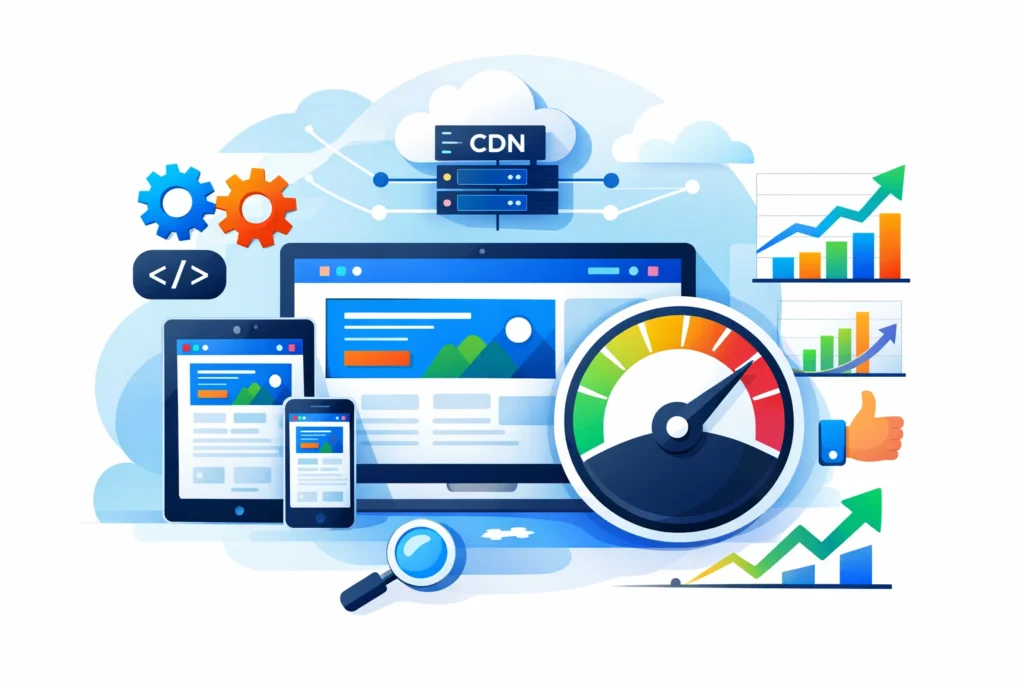
Performance tuning is not a one-time task. Continuous monitoring ensures consistent results.
Tools for Performance Testing
Use Google PageSpeed Insights, GTmetrix, and Lighthouse. These tools highlight issues and suggest improvements.
Key Metrics to Track
Focus on load time, Core Web Vitals, bounce rate, and user engagement. These metrics reflect real user experience.
Regular Performance Audits
Audit your site after updates or content changes. Small changes can affect performance significantly.
Advanced Performance Tuning Techniques
For competitive niches, advanced optimization provides an edge.
Lazy Loading and Async Scripts
Lazy loading delays off-screen content. Async scripts prevent blocking page rendering. Both improve perceived speed.
Compression and Modern Protocols
Enable Gzip or Brotli compression. Use HTTP/3 if supported. These technologies reduce data transfer time.
Mobile Speed Enhancements
AMP or lightweight mobile frameworks can boost speed for content-heavy sites.
Conclusion
Performance tuning is essential for sustainable SEO success. Faster websites rank better, engage users, and convert more visitors. By improving speed, efficiency, and technical structure, you build trust with search engines and users. Start with basic optimizations, then apply advanced techniques as needed.
FAQs: Performance Tuning for SEO
1. What is performance tuning in SEO?
Performance tuning in SEO means improving your website’s speed and efficiency. It helps your site load faster and rank better in search results. Tools like PageSpeed Insights can measure performance.
2. Why is performance tuning important for SEO?
Fast websites give users a better experience and tend to rank higher in search engines. Google considers page speed as part of its ranking criteria.
3. How does website speed affect SEO rankings?
Faster sites reduce bounce rate and improve engagement. Search engines reward sites that load quickly, especially on mobile.
4. What tools can I use to test site performance?
Popular tools include Google PageSpeed Insights, GTmetrix, and Lighthouse. These tools show speed scores and optimization tips.
5. How much can performance tuning improve SEO?
With proper tuning, sites often see faster load times, better user retention, and improved search visibility. The exact boost depends on your site’s current performance.
6. Does optimizing images help SEO performance?
Yes. Compressing and using modern formats like WebP or AVIF reduces file size and improves loading speed. Faster images help both SEO and user experience.
7. What are Core Web Vitals, and why does it matter?
Core Web Vitals are metrics that measure visual loading, interactivity, and layout stability. These help search engines understand your site’s real performance.
8. Should I use a CDN for performance tuning?
Yes. A Content Delivery Network (CDN) stores your site files globally so visitors load content faster, improving speed and SEO.
9. Can a slow server response hurt my SEO?
Absolutely. Slow server response increases page load times, which can reduce rankings and frustrate users. Upgrading hosting and optimizing databases helps.
10. Is performance tuning a one‑time task?
No. You should monitor and tune your site regularly. Updates, new content, and new plugins can slow performance over time.